
What Could Be That Loud Noise Coming From My Engine?
Categories: Car Maintenance
Learn what knocking, ticking, rattling, squealing, grinding, whining, and hissing engine noises can mean—and when you should stop driving.
Why Is My Engine Making a Loud Noise?
Quick answer
A loud noise from your engine can be caused by something outside the engine, such as a loose heat shield, worn serpentine belt, failing pulley, or exhaust leak. It can also come from low oil pressure, abnormal combustion, timing components, or internal engine wear. Because a knock, tick, rattle, squeal, or hiss can have several causes, the safest answer is to identify when the sound happens and have a technician diagnose it before a small problem becomes major engine damage.
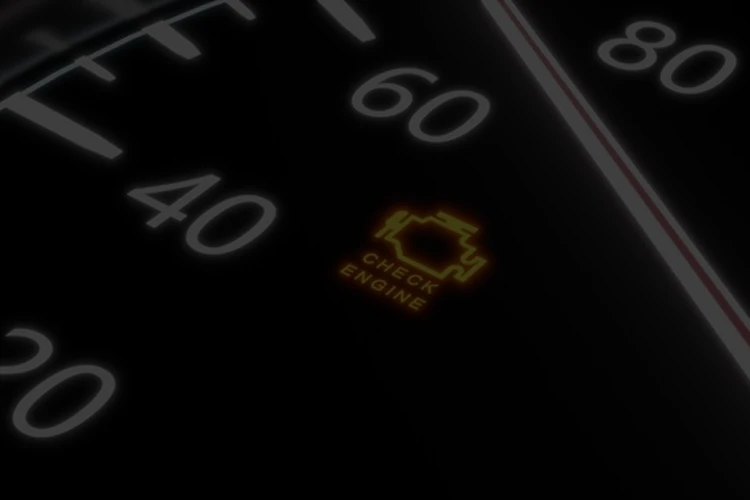
Every engine makes some sound, and normal noises vary by vehicle. The important warning signs are a sound that is new, suddenly louder than usual, changing with engine speed, or accompanied by a check-engine light, oil-pressure light, overheating, smoke, vibration, or loss of power. Those details can help distinguish a harmless operating sound from a car engine noise that needs immediate attention.
What Different Engine Noises Can Mean
Describing the sound is the first step in engine noise diagnosis. Use the guide below as a starting point, not as a substitute for an inspection. Several parts can create similar noises under the hood.
Knocking or pinging
A metallic ping during acceleration can be related to combustion, fuel octane, carbon buildup, ignition timing, or a lean air-fuel mixture. A deeper, steady engine knock may point to low oil pressure or internal bearing wear and needs prompt diagnosis.
Ticking, tapping, or clicking
A ticking noise from the engine may come from low or old oil, valve-train components, fuel injectors, or a small exhaust leak. Some injector clicking is normal, but a new tick that becomes faster with engine speed should be inspected.
Rattling
An engine rattle at startup or while accelerating may come from a loose heat shield, exhaust hardware, belt tensioner, timing chain, or another component with excess movement. The timing and location of the rattle help narrow down the cause.
Squealing or chirping
A high-pitched squeal under the hood often involves the serpentine belt, tensioner, idler pulley, alternator, water pump, or air-conditioning compressor. A worn or slipping belt can change pitch when the A/C or other accessories turn on.
Grinding
Grinding is not a normal engine sound. It can indicate damaged bearings, a failing accessory pulley, starter engagement trouble, or metal-to-metal contact. Shut the vehicle off if the sound is severe or accompanied by warning lights.
Whining or humming
A whine that rises with engine RPM may come from an alternator bearing, power steering system, transmission, pulley, or other belt-driven accessory. Note whether the sound changes while steering or using electrical accessories.
Hissing or sizzling
Hissing may signal a vacuum leak, escaping coolant, or another pressurized leak. A sizzling sound after the engine is turned off can mean oil or coolant is reaching a hot surface, especially if there is a burning smell or visible steam.
Engine Knock Versus Engine Pinging
Drivers often use “engine knock” to describe any tapping or pounding sound, but technicians listen for important differences. Combustion pinging, sometimes called spark knock or detonation, often sounds like marbles rattling in a can during acceleration or while climbing a hill. It may be related to incorrect fuel octane, excessive heat, carbon deposits, ignition timing, a lean fuel mixture, or a sensor problem.
A mechanical engine knock is usually deeper and more rhythmic. It may become faster or louder as RPM and engine load increase. Possible causes include low oil pressure, excessive bearing clearance, or worn internal parts. Sound alone cannot confirm the repair, but a deep knocking noise should be treated as urgent because continued driving can turn repairable damage into engine failure.
When Does the Engine Noise Happen?
Search questions such as “Why is my engine rattling on startup?” or “Why does my car knock when I accelerate?” include useful diagnostic clues. Before your appointment, note whether the engine is cold or warm, the vehicle is moving or idling, and the sound changes with RPM, steering, air conditioning, or acceleration.
Loud noise when starting the car
A brief rattle on a cold start can involve oil pressure, a timing-chain tensioner, or an accessory. Grinding only while starting may involve the starter or flywheel.
Engine knocking at idle
A knock at idle may be combustion-related, caused by a loose component, or connected to internal engine wear. Low oil level or oil pressure should be ruled out quickly.
Knocking sound when accelerating
Pinging under load can be tied to fuel or combustion. A heavy knock that becomes louder with acceleration can be more serious, so avoid hard acceleration until it is diagnosed.
Ticking noise that speeds up with RPM
A tick that follows engine speed can come from injectors, the valve train, an exhaust leak, or lubrication trouble. Whether it fades after warmup is an important clue.
Squealing when the A/C turns on
A belt, tensioner, pulley, or A/C compressor can squeal when the accessory load changes. The belt system should be inspected for wear, glazing, looseness, and alignment.
Whining while turning
On vehicles with hydraulic power steering, a whine while turning may be related to low fluid or pump wear. Other vehicles can produce similar sounds from nearby belt-driven components.
What Should I Check When My Engine Is Making Noise?
If the vehicle is safely parked on level ground and there are no signs of an emergency, collect a few basic details for the technician. Do not reach near a running engine, electric cooling fan, belt, or pulley.
- Look for an oil-pressure, temperature, battery, or check-engine warning light.
- Check the engine oil level according to the owner’s manual after allowing the engine to cool as directed.
- Notice whether the noise comes from the top, bottom, front, or side of the engine compartment.
- Record whether the sound appears at cold start, idle, a specific RPM, acceleration, braking, or turning.
- Watch for leaks, smoke, steam, unusual exhaust, rough running, or a burning smell.
- Take a short audio or video recording from a safe distance if the noise is intermittent.
Avoid guessing at a repair or adding oil beyond the correct level. An overfilled engine can also develop problems, and replacing a belt, sensor, or other part without testing may not address the actual source of the noise.
When a Loud Engine Noise Means You Should Stop Driving
Pull over safely, turn off the engine, and arrange roadside assistance when a loud engine noise is paired with any of the following:
- A red oil-pressure or engine-temperature warning light
- A deep knock, harsh grinding, or sudden metal-on-metal sound
- Overheating, steam, smoke, or a strong burning smell
- Severe shaking, repeated stalling, or a major loss of power
- A rapidly worsening sound or visible fluid leak
If the sound is mild but new, avoid hard acceleration, towing, and long trips until the vehicle can be checked. Prompt engine inspection is usually less costly than continuing to drive while lubrication, cooling, timing, or accessory problems get worse.
How Professional Engine Noise Diagnosis Works
A professional diagnosis starts with the conditions that produce the sound. A technician may listen during a cold start and at idle, compare the noise at different RPM, inspect the engine oil and cooling system, check belts and pulleys, examine motor mounts and exhaust shields, and scan the vehicle computer for diagnostic trouble codes. Specialized listening equipment can help isolate vibration near the valve cover, timing cover, engine block, oil pan, or individual accessories.
This process matters because a ticking injector, leaking exhaust manifold, loose heat shield, worn pulley, timing-chain rattle, and internal engine knock can sound similar from the driver’s seat. Testing the whole system helps identify the cause before parts are replaced. Learn more about our engine check and diagnostic service.
Frequently Asked Questions About Engine Noises
Why is my engine suddenly louder than normal?
A sudden increase in engine noise can come from low oil, an exhaust leak, a loose shield, a worn belt or pulley, a misfire, or an internal engine problem. Check the dashboard for warning lights and arrange an inspection if the sound is new, persistent, or getting worse.
Can low engine oil cause knocking or ticking?
Yes. Low oil level or low oil pressure can reduce lubrication and cause ticking, tapping, or knocking. Check the oil only when the vehicle is safely parked and follow the owner’s manual. Do not keep driving if the oil-pressure light is on.
Is engine ticking always serious?
Not always. Some fuel injectors make a regular clicking sound, and a brief cold-start tick may disappear as oil circulates. A new, uneven, persistent, or increasingly loud tick still deserves professional diagnosis.
Can I drive with an engine knocking sound?
Driving with a deep or worsening engine knock can cause additional damage. If the knock is loud, the oil-pressure or temperature warning light is on, or the vehicle loses power, shut the engine off in a safe place and arrange a tow.
How does a technician find the source of an engine noise?
A technician compares the sound at cold start, idle, different RPM, and under load; checks oil and other fluids; inspects belts, pulleys, mounts, and exhaust parts; scans for diagnostic codes; and uses listening tools to isolate the source before recommending repairs.
Is your car making a knocking, ticking, or rattling noise?
First Tire & Automotive can inspect unusual engine sounds and identify the source before you authorize a repair. Schedule an engine check with our team in the Sugar Land area today.